These records are found in the online catalog of The Mariners’ Museum and Park in Newport News, Virginia. Uncurated search results are presented to give researchers and interested readers an idea of whether the museum’s archives contain information about this vessel and whether it may be worthwhile to visit the museum’s catalog search page for further investigation. Uncurated results may be inaccurate or incomplete.
Mariners Museum online catalog search, July 12, 2026. Search phrase: "Mabel". Catalog returned 51 records; this selection table includes 51 records fetched through catalog result pages.
Use these buttons to send uncurated search results to your own app or text document for further research. First, check the box for any row, or click "Select All" then uncheck any rows. Then click "Show Selections". You can then copy your selections from the text box and past them into your app.
CURATOR NOTES: Mabel Island North Queensland is part of the Frankland Islands 30 km North East of Babinda and South West of Cairns. File: The Frankland Islands are teeming with permanent & migratory marine life, especially the Green Sea Turtle which nests on the island. Normanby Island, part of the Frankland Islands group offers a comprehensive reef system with a tropical island. These islands are very popular with reef tour operators working from Cairns. The Baldwin-Ziegler Polar Expedition was formed and financed by William Ziegler, a prominent business man of New York City. Ziegler placed Evelyn B. Baldwin, a veteran of former expeditions to the Arctic, in command of the voyage to find a possible route to the North Pole. Three vessels were outfitted by Ziegler for the trip north to Franz Joseph Land: Frithjof, America and Belgica. The master in command of the flotilla was the famed pilot and arctic shipmaster Johan Kjeldsen, a man well known to the exploration world. His vessel was the SS FRITHJOF. On July 16, 1901 the expedition sailed from Tromsø, Norway. The Belgica sailed west to set up depots on Shannon Island, Greenland where Baldwin expected to land after reaching the pole. The America sailed directly for Franz Joseph Land after picking up dogs in Russia. Frithjof hunted walrus, seals, and bears before heading to Franz Joseph Land. Kjeldsen had made arrangements for the America and Frithjof to meet at Cape Hofer to discharge America's cargo and set up winter quarters. The ships did not meet on schedule due to inaccurate charts in both ships and a misunderstanding about where they were to meet. Baldwin accosted Capt. Kjeldsen and blamed him for the serious blunders which delayed the rendezvous of the two ships. The confrontation led to enmity between Kjeldsen and Baldwin which did not abate during the entire expedition. On August 24, 1901, Frithjof returned to Tromsø, leaving Baldwin and America in winter quarters at Camp Ziegler, from which he was to launch an unsuccessful attempt to reach the North Pole by sled. Frithjof was to return to Camp Ziegler in a relief expedition the following summer with William Champ in charge. The saga and failure of the Baldwin-Ziegler Polar Expedition ended in a severance of relations between Ziegler and Baldwin. From the evidence at hand, Baldwin was remiss in informing Ziegler of the progress of the voyage in a timely manner. Reading between the lines of documents, Ziegler placed the failure of the venture on Baldwin. Ziegler would resume polar exploration in 1903 with Anthony Fiala leading the expedition.
Boats and boating–Virginia–Norfolk.; Schooners–Virginia–Norfolk.; Warehouses–Virginia–Norfolk.
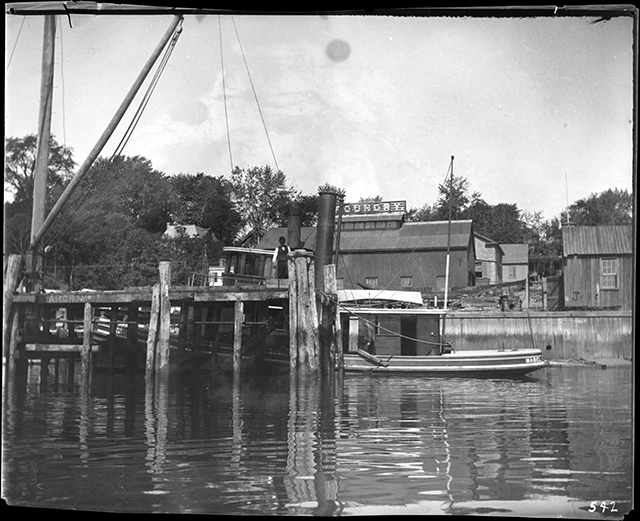
A copy of a Mann negative, shows the Mabel & Ruth at pier. There is a warehouse on the pier, with three elevators over a railroad line for J. H. Cofer & Co.
Steamboats–United States.; Tugboats–United States.
Shows a view of a pier, it is partially obscuring a tugboat moored on the opposite side. Stanton's notebooks contain the following information about this item: "Jun 28, 1894"
9 SUMPTER STREET - BROOKLYN - NEW YORK - USA - Artist
SHORT DESCRIPTION: Silkwork picture and oil painting by Thomas Willis. NOTES: The Museum's collection contains seven examples of Thomas H. Willis' work. Born in Connecticut in 1850, the marine artist Thomas Willis (1850-1925) worked for a silk embroidery threadmaker in 1870 in Brooklyn. He became one of the finest American marine embroiderers and by 1880 was advertised as the “Inventor and sole maker of silk ware pictures”. Early examples of Willis’s work have the embroidered ships on blue silk, most typically his portraits featured embroidered ships on an oil painting on canvas. Willis fashioned the hulls from velvet cut to the appropriate shape and sewn onto the canvas. Silk or satin stiffened with board were bent to suggest three dimensional wind-filled sails. The rigging, portholes, ship structures, sailors and flags were colorfully embroidered with silk thread. Willis’s ships are impeccably executed. He early works are not signed. Later works are either signed “T. Willis” with a date or with a distinctive monogram comprising a “T” over a “W” in the shape of an anchor. VESSEL INFORMATION - VESSEL NAME: MABEL & RAY VESSEL TYPE: TRAWLER, AMERICAN VESSEL BUILT: 1899 BUILDER LOCATION: STRATFORD, CONNECTICUT VESSEL DIMENSIONS: 38 TONS GROSS, 21 TONS NET, 59.6 x 16.4 x 5.5 REGISTER: NEW YORK, NEW YORK, OYSTERING (MV US 1912)
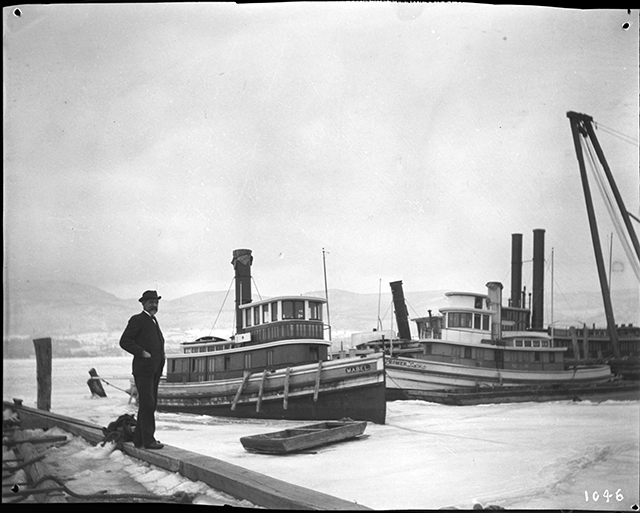
Steamboats–New York (State)–Newburgh.; Tugboats–New York (State)–Newburgh.; Harbors–New York (State)–Newburgh.
Shows a man standing on a pier next to an icy harbor with several tugboats. Stanton's notebooks contain the following information about this item: "Newburgh, Feb 28, 1895"
"Relating life stories of men and events that have entered into the building of the western continent." "Reproductions from rare prints and works of art (Americana)." Editors: 1907-1911, Francis Trevelyan Miller; 1912-1926, Frank Allaben; 1927-1935, Mabel Thacher Rosemary Washburn.
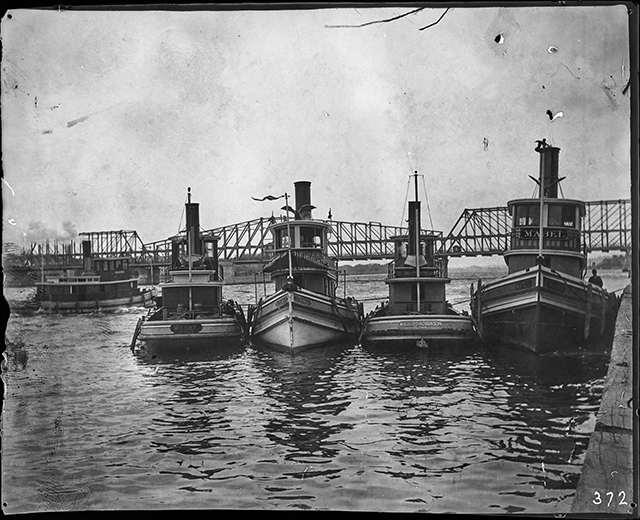
William Orr - (tug) - see - D.F. Skinner - (tug); 372
Steamboats–New York (State)–Albany.; Tugboats–New York (State)–Albany.; Bridges–New York (State)–Albany.
Shows four tugboats moored together with a fifth tugboat making way in the background. A truss bridge can be seen in the background. This might be the old Hudson River Bridge at Albany, New York, which was replaced by the Livingston Avenue Bridge in 1901. Stanton's notebooks contain the following information about this item: "May 3, 1894"
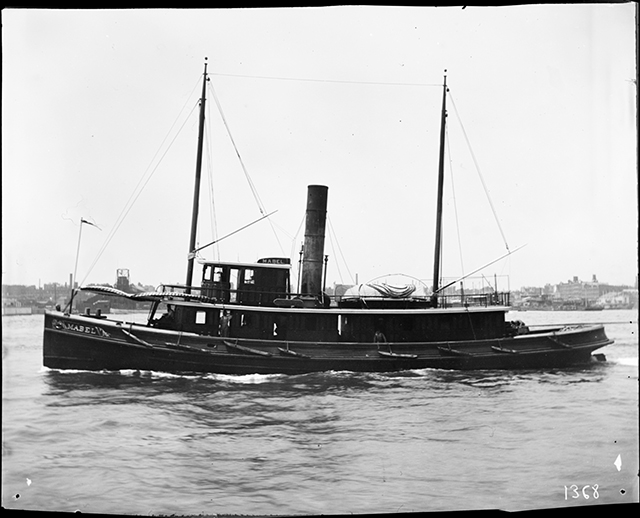
Steamboats–United States.; Tugboats–United States.
Shows a port side view of the stern of a tugboat moored at a pier. A man can be seen handling the mooring line. Stanton's notebooks contain the following information about this item: "date unknown"
Underseas log : - from the records of Eddie Bushnell, deep-sea diver, as told to M. O'Moran [pseud.] ... - photography by Wm. L. Morgan ; underseas photography by Eddie Bushnell
This picture was snapped by Clark. The "Mabel" is seen lying under the yawls bowsprit, being put there to show the relative size of the two cruising boats and your humble servant is reclining glacefully against the bowsprit.
Starboard view of the schooner Spray anchored on the Potomic River. Budlong notes that a smaller boat, the Mabel, is seen below the bowsprit of the Spray. Mr. Budlong is pictured leaning on the bowsprit. Image from Cruises, Volume VII, page 54-55.
T/5 James A. Crocitto, 32971231, Yonkers, N.Y. proudly displays food served at the party given in Recreation Hall #3 by the Mess Personnel at Camp Patrick Henry. Those waiting to be served are, left to right: 2nd Lt. Julia C. Stone, L-202402, of New York, N.Y.; Capt. William F. Murphy, O-1295067, of Northbridge, Mass; Miss Mabel Whitefield, of Newport News, Va.; Maj. Lester Weinberger, O-361361, Bronx, N.Y.; and Capt. Arlenne H. Goodrige, L-115007, of Boston, Mass. Photo taken at CPH.
Dinners and dining–Virginia–Newport News.
Shows a man in a chef's cap setting out platters on a buffet table. Party goers are lining up with plates to be served.
A debarking officer, Lt. George J. Williams, O-1289525, 521st Air Service Group, of Woodside, Long Island, New York, is shown shaking hands with Pfc. Mabel J. Becker, A-203125, 1st WAC Co., HRPE, of 49 Atlantic Ave., Long Branch, N.J., who had 2 1/2 years at Norfolk Army Base in the 2nd WAC Company. This group, which debarked from the USS EXCELLER included 25 officer and 232 enlisted men. Photo taken during debarkation at Pier 8, HRPE, Newport News, Va., for Historical records.
Shows a scene at an HRPE pier. A WAC standing on the pier is reaching across the rail of a ship, her deck crowded with soldiers, to shake the hand of an officer who is smiling broadly.
Miss Mabel Lescure, Roanoke, Va., and Mrs. Elizabeth Rover, Beckley, W.Va., salesladies of the tobacco, magazine and candy departments. Photo taken at opening of the New Main Post Exchange, HRPE, Newport News, Va.
Clerks (Retail trade)–Virginia–Newport News.
Shows two saleswomen standing behind the counter in the magazine department of the Main PX. Some titles for sale include: Official Detective, Companion, Laff, and Western. It appears that comic books are also for sale.
Holabird Signal Depot's WAC basketball team is photographed at Camp Patrick Henry where the Team took part in the Third Service Command WAC Basketball Championship Tournament. THey are left to right, front row: Pvt Helen K. Lunsford, A-320811, from Tucapau, S.Carolina; Pfc Jane C. Smith, A320537, from Randallstown, Md.,; S/Sgt Anna Sticch, A902333, from Los Angeles, Cal.; 1st Lt Muriel Outwater, L200258, from Freeport, NY; and Tec 5 Joan P. Rychlick, A1000784, from Detroit, Mich; Second row: Tec 5 Inez I. Johnson, A902357, from Burbank, Cal.; Tec 5 Genevene Dainis, A117507, from Somerville, Ma.; Pfc Bernice E. Riker, A217092, Rochester, NY.; Pfc Mabel L. Tormollan, A320723, Baltimore, Maryland; and CPl Irma Goldman, A205111, Venice, Cal.
Solar eclipses–1896; United States Naval Expedition to Japan, 1852-1854
Corona and Coronet : - being a narrative of the Amherst eclipse expedition to Japan, in Mr. James's schooner-yacht Coronet, to observe the sun's total obscuration, 9th August, 1896 - by Mabel Loomis Todd
Major Mabel Embery, ANC, N-702594, Philadelphia, Pa., Chief Nurse, School of Aviation Medicine, Randolph Field, Texas, entered Army service May 1931 after studying at Vassar and Wilson College, Chambersburg, Pa. She was graduated from the Army School of Nurses, Walter Reed Hospital, Washington, D.C., in 1931. Major Embery came to watch debarkation and to prepare to accompany 400 patients who would be moved by air. She is photographed with Capt. Burton Soboroff, O-510958, MC, Air Evacuation Liaison Officer, Randolph Field, Texas, and S/Sgt. Herbert Ewing, 36367514, Greensburg, Ind., stationed at Randolph Field, Texas. Photo taken during the debarkation of the SS ARGENTINA. Photo taken for Historical purposes.
RELATED PLACE: NEW JERSEY, WEST HOBOKEN, 31 PALISADE AVENUE
NOTES: Sketchbook No. 76 of pencil drawings created by Antonio Jacobsen from 1878 to 1918 for his artworks. VESSELS LISTED IN SKETCHBOOK NO. 76, DATED 1912-1913 RIKERS ISLAND (Screw Steamship) (Service Dates 1910-1933) THOMAS S. BRENNAN (Double ended ferry-screw) (Service Dates 1884-1924) TARTAR (Schooner,2) (Service Dates 1904-1915) CHRISTINE (Screw Yacht) (Vessel Built 1912) LATONA (Schooner,2) (Service Dates 1894-1917) KENTUCKY (Screw Steamship) GEORGE E. KLINCK (Schooner,3) (Service Dates 1904-1941) FAUSTINA (Schooner,2) (Vessel Built 1902) BENJAMIN W. LATHAM (Schooner,2) (Service Dates 1902-1943) MARYLAND (Schooner,2) (Vessel Built 1904) RUTH M. MARTIN (Schooner,2) (Vessel Built 1892) MABEL E. BRYSON (Schooner,2) (Service Dates 1901-1944) ANNA AND ELLA (Schooner,2) (Service Dates 1910-1936) ANCHORIA (Screw Steamship) (Service Dates 1874-1906) JOHN FEENEY (Schooner,2) (Service Dates 1855-1928) DANIEL WILLARD (Screw Tug) (Service Dates 1890-1918) BLACKHEATH (Screw Steamship) (Vessel Built 1911) REPUBLIC (Schooner,3) (Service Dates 1900-1919) ORLEANS (Schooner, 4) (Vessel Built 1905) OLYMPIA (Screw Steamship) (Service Dates 1911-1935) LENAPE (Screw Steamship) (Service Dates 1912-1925) ANNA J. BROOKS (Screw Tug) (Vessel Built 1913) MORRISTOWN (Scew Tug) (Vessel Built 1906) RHEINFELS (Screw Steamship) (Vessel Built 1905) NOTES: This sketchbook is noteable for its many two masted schooners.
GENERAL C.G. MORTON (STEAMSHIP: 1944) - QUEEN MARY (SCREW STEAMSHIP: 1936-1967)
Lt. Col. Maynard C. Nicholl, O-497261, Baltimore, Maryland, Director, Troop Movement Division, HRPE, is shown presenting certificate to Cpl. Leon R. Carman, 37473820, Osceola, Nebraska, cook assigned to the 87th Airdrome Squadron, 9th Air Force, as the latter debarked from the USS GENERAL C.G. MORTON. Cpl. Carman was the 500,000th person to be debarked at HRPE since its activation, 15 June 1942. He was inducted 18 February 1943 at Fort Leavenworth, Kansas; he took basic training at Miami Beach and sailed overseas from NYPE 2 December 1943 on the HMS QUEEN MARY. The 82nd Airdrome Squadron arrived in Normandy 14 September 1944, was stationed in Luxembourg during the Belgian Bulge (December 1944), and entered Germany 10 April 1945. The USS GENERAL C.G. MORTON left Marseilles, France, 23 August 1945, transporting 3,839 troops. Left to right are shown: Cpl. Mabel Becker, A-203125, Long Branch, New Jersey; M/Sgt. William H. Vanasdale, 35404183, Shelby, Ohio; Cpl. Carman; Lt. Col. Nicholl; and 1st Lt. Claude E. Kehler, Jr., O-1944485, Shamokin, Pa. Photo taken for Historical purposes, at Pier 8, HRPE, Newport News, Va.
Luggage–Virginia–Newport News.
Shows a soldier shaking hands with Lt. Col. Nicholls as he hands him a certificate. Other men carrying their own luggage can be seen standing on the gangplank behind him waiting to pass.
The collection consists of materials relating mainly to the to the naval service of Arthur W. Sesselberg, to include correspondence, certificates, photographs, orders, memoranda, and miscellaneous ephemera.
GENERAL C.G. MORTON (STEAMSHIP: 1944) - QUEEN MARY (SCREW STEAMSHIP: 1936-1967)
Cpl. Leon R. Carman, 37473820, Osceola, Nebraska, cook assigned to the 87th Airdrome Squadron, 9th Air Force, is shown at bottom of gangway, soon after debarking from the USS GENERAL C.G. MORTON. He is being greeted by Capt. Geraldine C. Glockner, L-704999, Assistant WAC Staff Director, HRPE, Minneapolis, Minnesota, and Cpl. Mable Becker, A-203125, Long Branch, New Jersey, 1st WAC Company HRPE. Cpl. Carman was the 500,000th person to be debarked at HRPE since its activation 15 June 1942. Cpl. Carman was inducted 18 February 1943 on the HMS QUEEN MARY. The 82nd Airdrome Squadron arrived in Normandy 14 September 1944 was stationed in Luxembourg during the Belgian Bulge (December 1944), and entered Germany 10 April 1945. The USS GENERAL C.G. MORTON left Marseilles, France, 23 August 1945, transporting 3,839 troops. Photo taken at Pier 8, HRPE, Newport News, Va., for Historical purposes.
Luggage–Virginia–Newport News.
Shows a soldier smiling and shaking hands as he poses for a photo op with two WACs. In the background Lt. Col. Nicholl smiles. More men coming down the gangplank can be seen waiting their turn to pass.
E4410 - Col. Klimes and Sgt. Tabachneck receiving $1,000 which they purchased from WAC shown, at HRPE, Newport News, Va. 9-20-43 Official photograph U.S.Army Signal Corps, HRPE, Newport News, Va.
J9180 - LT BURGESS REC. OFFICER S.S.C.P.H. Mrs. Burgess, wife of Lt. Burgess, Col. Fountain, C.O.C.P.H., Mrs. Weinberger, wife of MAJOR Weinberger C.P.H. & Mrs Taylor, wife of Major Taylor S.S.C.P.H. 8-9-44 Official Photograph, U. S. Army Signal Corps, HRPE, Newport News, Va.
African American women–Virginia–Newport News.; Dinners and dining–Virginia–Newport News.
Three officers and four women are seated for a meal at a row of small tables. In the corner behind the table is an African American woman in w white dress.
This collection consists of a clipping, documents and photographs relating to the later career of the screw barquentine Bear. Other than the clipping about Bear's foundering in 1963, the documents all come from 1942, when Lt. Furman was appointed commander of Bear, to the date of its decommissioning and shortly thereafter. The documents related directly to decommissioning. - The photographs in the collection show Bear operating in the Polar regions, and then in the yard undergoing conversion, between 1931 and 1944. It is possible that some of these photographs were among the ship's records cleaned out prior to decommissioning, on May 17, 1944. The earler photographs, from 1931 to 1939, were mostly taken in and around Greenland. Dating of the 1931 photographs may be questionable, since the ship in 1931 was a museum vessel in Oakland, California. The later photographs were taken in shipyards, as Bear was being refit or otherwise altered.
Alaska–Description and travel; Alaska–Pictorial works; Canada–Description and travel.; Canada–Pictorial works; Canadian Rockies (B.C. and Alta.)–Description and travel; Canadian Rockies (B.C. and Alta.)–Pictorial works; Glacier National Park and Preserve (Alaska)–Description and travel; Glacier National Park and Preserve (Alaska)–Pictorial works; Glacier National Park (Mont.)–Description and travel.; Glacier National Park (Mont.)–Pictorial works; Northwest, Pacific–Description and travel; Northwest, Pacific–Pictorial works; Seattle (Wash.)–Description and travel.; Seattle (Wash.)–Pictorial works; Vancouver (B.C.)–Description and travel; Vancouver (B.C.)–Pictorial works
Ocean travel.
In the collections of the Mariners Museum, Newport News, Va. (#392-393)
Items both received by and collected by Thelma Anderson, later Thelma Quick, during her career with the Women's Reserve of the U. S. Coast Guard Reserve (SPARs) during World War II.
Sherman and Mabel Smith Pettyjohn lectures in Pacific Northwest history
Cities and towns–Northwest, Pacific–Pictorial works.; Prints–19th century–Northwest, Pacific; Prints, American–Northwest, Pacific; Northwest, Pacific in art
Panoramas of promise : - Pacific Northwest cities and towns on nineteenth-century lithographs - John W. Reps
East China Sea–Navigation.; Marseille (France)–Maps.; Brest (France)–Pictorial works.; Sasebo-shi (Japan).
Merchant mariners–History–20th century. United States; Merchant marine–History–20th century. United States
This collection features six (6) items connected to certain aspects - with particular emphasis on conduct - of a Merchant Seaman's career in the first half of the twentieth century. It includes shore passes, a memorandum relating to the U.S. Maritime Service Officers' School, a chart, a map, and a postcard. The collection relates particularly to the Merchant Marine service of Powell Catlett, whose shore passes are included here. Catlett was born on February 22, 1895. His service record indicates that he served from May 1917 to November 1919 and again from November 1922 to May 1923 in the US Navy. He saw service aboard the Leviathan, and "returned to the seas as a merchant seaman" during Word War II, according to his nephew, Alexander Burruss. With the exception of the postcard, all of the material in the original accession relates to Powell's World War II service in the Merchant Marine. - A 2022 accrual to the collection consists of 20 photographic negatives taken by Catlett in 1919 while assigned to Leviathan. They include images of ships and servicemen in European cities and in Newport News, Virginia.
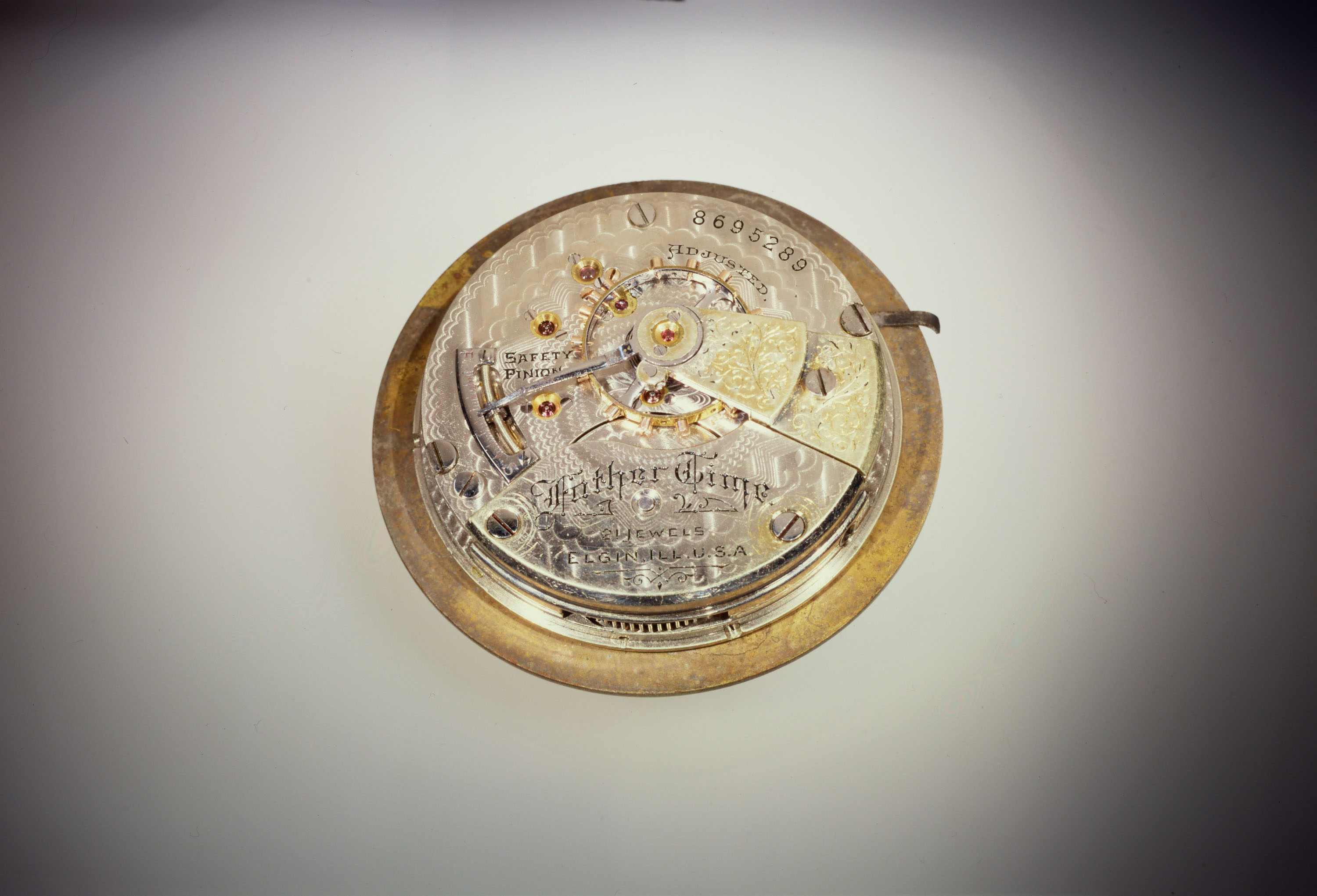
SHORT DESCRIPTION: [Morzer Bruyns, 1995] Ship’s deck watch, made by the ELGIN National Watch Company of Elgin, Illinois, USA no. 8695 289. With a correction table by Cliff HARRIS Jewelry Co. of Mobile Ala, dated September 26, 1944. In its original box, placed in carrying case with leather strap. [Jonathan Betts, 2002] BOX/MOUNTING: Small, three-tier mahogany box, 12.5cms high, 12.4cms wide and 12.8cms deep. There are no handles to the sides, and box and lid are both fitted with a full-width piano hinge and a simple pressed-brass, sliding, button catch. The top of the upper half is glazed in the standard fashion and there is a strut to hold the upper half open at 90°. There is a raised beading down the centre of the junction of the lower half, mating with a groove in the upper half to form a dust seal when the box is closed. The box also has a protective guard box with padded interior for safely transporting the watch. The guard box has a leather carrying strap, a brass hook and eye for securing the box closed and a base with extended sides to enable it to be screwed down to a table for extra stability if containing the watch when in use on board ship. The rather crudely constructed gimbals have the ring pivoted on brass stanchions inside the box at front and back with the brass bowl pivoted at III and IX. The gimbal lock has a coarsely knurled, double knob, located in the box at the back right. The movement is keyless, with a coarsely knurled winding crown at XII, accessed by swinging the bowl up. The flat section, screwed bezel has a very shallow convex glass with a brass site ring. The shallow brass bowl has a heavy, brass screw-on base. The movement is screwed in to the bowl from below and the crudely made winding stem fits with a screw in the edge of the bowl locating in a groove turned in the stem. DIAL & HANDS: Matt silvered brass dial of 53mms, retained with dial feet secured with side screws on the movement's main plate. The dial is signed: "ELGIN NATIONAL WATCH CO." below XII. The dial has printed markings, including heavy, rather squat, roman numerals, small Arabic five-minute figures and a seconds dial, with Arabic ten-seconds figures, at VI. Blued steel spade hands with a counter-balanced blued-steel seconds hand. MOVEMENT: Bright, damascened, nickel-plated brass full-plate, going barrel movement, signed with black-filled engraving: "Father Time", "21 Jewels", "ELGIN. ILL. U.S.A.", on the barrel bridge and "SAFETY PINION", "ADJUSTED" & "8695289" on the potence plate. The handsetting pull-out piece has been crudely extended to project beyond the dial. The cock and areas of the potence plate also have decorated engraving. A polished steel index mounted on the balance cock and fitted with two brass pins embracing the balance spring, points to a polished steel micrometer scale (marked: "F" & "S") with curved brass thread and lobed nut with centre groove for the index tip. The pillar plate is stamped: "Y 8695289" on the underside, the underside of the balance cock foot is stamped: "Y 95289", and the undersides of the barrel bridge and potence are stamped: "Y95..289". The inside of the barrel and the cap are stamped: "13". There is a hole in the edge of the pillar plate to give access for releasing the concealed click to let down the mainspring. Four wheel train, plus going barrel, all in gilt brass. The mainspring appears not to have any signature. ESCAPEMENT, BALANCE & SPRING AND JEWELLING: Single roller, jewelled, club tooth lever escapement, the roller having a red jewelled impulse pin and pallets also with red stones. The pallets have a fork projecting towards the escape wheel pinion, as though it is intended to bank on the arbor of the escape wheel, though the banking actually occurs on the outer sides of the fork, which act between bronze (or gold?) banking pins. The cut, bimetallic, compensation balance is mounted with sixteen gold screws on the rims. The spiral, steel balance spring, with overcoil, has an index mounted on the upper surface of the balance cock pointing to a scale on the potence plate as described. The train is jewelled to the center (20 jewels in total now as the lower centre has been replaced with a brass bush) with red stones in brass settings, the whole escapement with endstones. ALTERATIONS/CONDITION: According to the Elgin's production data, this movement was originally manufactured by the company in 1899 with the intention of being cased up as a pocket watch. It is one of their 18 size, 21 jewelled, 252 grade movements, and was number 289 in a run of 19,000 of that grade produced, in total, between 1899 and 1904. It seems likely that the movement was never cased up as a watch but remained in stock at the factory and was adapted, with little finesse, for use as a gimballed navigating watch in about 1920. With its compensation balance, this example would certainly have performed better than the other example in this collection, though it is still not free sprung and could not have approached the rate of a marine chronometer. The chronometer in this form is in clean, sound condition. The brass work is generally rather tarnished and the plating on the balance cock is coming off in places. The barrel bridge has a number of screwdriver scratches, the hour hand is slightly rusted and there is a screw missing from the lower escape/pallet endstone setting. PROVENANCE, ACQUISITION & NOTES: Nothing is known of the watch's early life. A typed certificate with the watch shows that it was rated by Cliff Harris Jewelry Co., of 203 Dauphin St, Mobile, Alabama on 26 September 1944, and was recorded as having a gaining rate of four seconds a day. It was donated by Mrs Mabel Phillip Fischer of Williamsburg VA, whose husband Captain Charles Norman Fischer had owned it, the watch being officially acquired on 31 March 1966. TIME-SPACE: 1940-1945. INVENTORY: Case for carrying - there is one (1) component part. ADDITIONAL INFORMATION: SEE MERCER, P. 134 & OBJECT FILE.
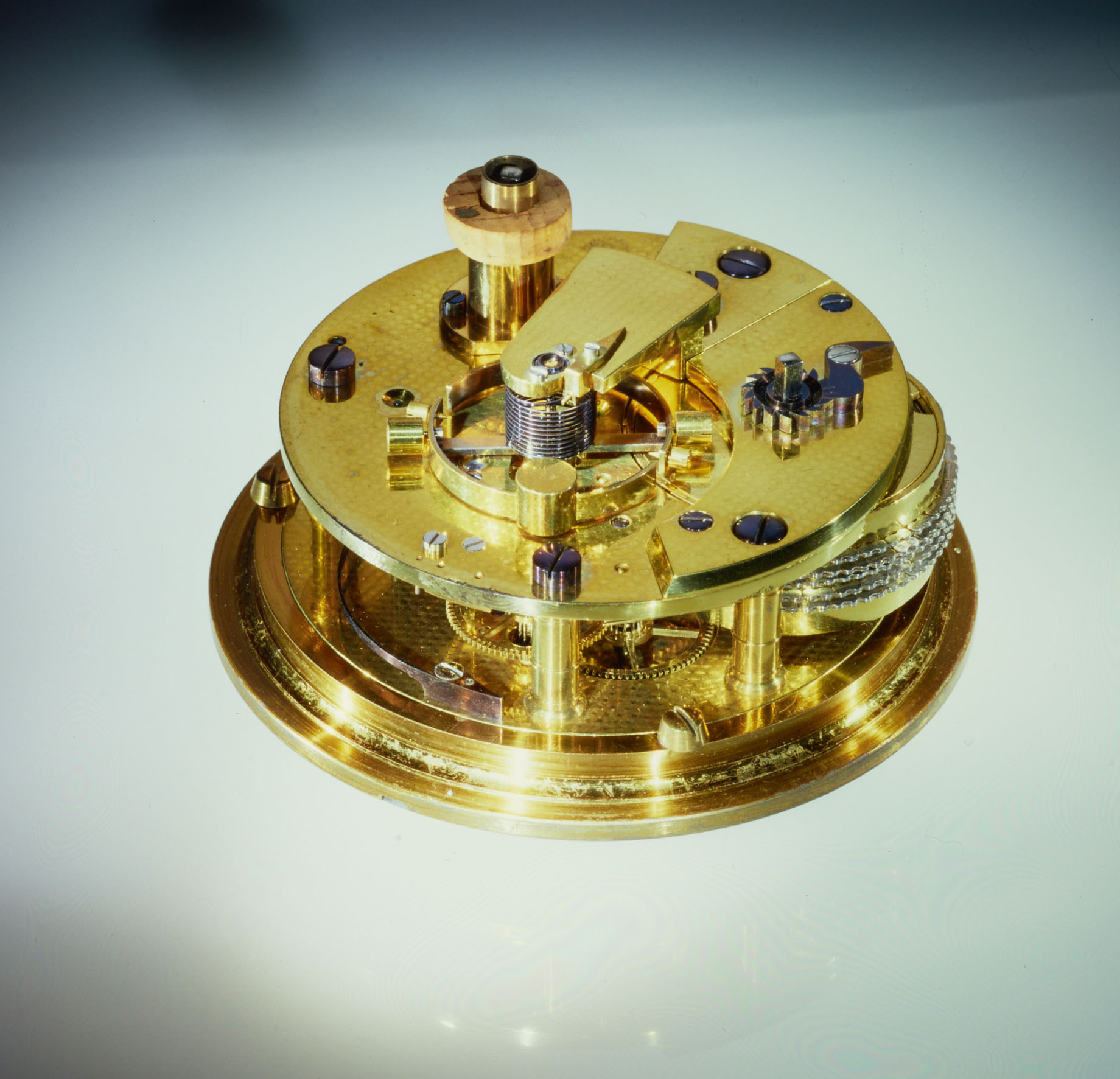
SHORT DESCRIPTION: [Morzer Bruyns, 1995] Ship’s 54 hour chronometer made by John CAMPBELL of Liverpool no. 1105 (fl. 1845-1855). The original box has a glass observation top and flush handles. The box contains a label of CHRONOMETER-WERKE in Hamburg, 1916 and a metal label of Cornelius KNUDSEN of Copenhagen, Denmark (retailers 1919-1928). In its original carrying case. [Jonathan Betts, 2002] BOX/MOUNTING: The chronometer is associated with a mahogany guard box, 27cms high, 29.5cms wide and 25cms deep, which is almost certainly not original to it, the chronometer being a slightly loose fit inside. Underneath the box is marked, in large, white-painted letters: "R&B 5706" (possibly indicating the box was from the instrument No.5706 by Riggs and Bros of Philadelphia which would date to c.1912). The box is of standard guard box type, with the base projecting on both sides to form flanges for securing to the chart table. It has a leather carrying strap over the top, secured with a buckle, and a hook on the front to lock the box. It is lined inside, on all four sides and the base, with green baize padding, stuffed with horse-hair. The three tier, brass-bound box is in highly figured mahogany, is 19.5cms high, 18.5cms wide and 18.5cms deep, and has an inlaid, brass, star-shaped escutcheon on front with matching inlaid surround to the lid button. The lid of the box is on butt hinges and has a brass, shield inlay in the top, without engraving. The upper half is on a full-width hinge and has a narrow scratched moulding just below the junction with the lid and just above the junction with the lower half. Inset on the front of the upper half is a rectangular, black-painted, metal plate signed in raised lettering: "Kgl.Hof-Jnstrm. / Cornelius Knudsens Etb. / Nautisk Afdeling / - Kobenhavn - ". Inside the back of the upper half is pasted a paper label reading (Printed and MS): "Chronometer-Werke, G. m. b. H. / Hamburg 8 / Chr: Campbell. No: 1105 / Gereinigt: Dezember 1916.". The box has a raised ebony beading running along the center of the junction on the lower half, mating with a groove in the junction of the upper half and forming a dust seal when closed. The box fittings are standard, with round-section brass, flush handles to sides and lacquered brass gimbals. The interior fittings are of standard layout, with a strut to the upper half, on the back left, stopping it open at 90 degrees, and key shelf at the back right. The original, rising-ratchet winding key has a typical, waisted handle. The bezel is of the open, silvered site-ring form, with knurling on the edge, and has a flat bevelled glass over the dial. Inside the site ring of the bezel is scratched: "1099" & "Birchall". The brass bowl has turned rings and sweeps out slightly at the top in the standard pattern. The recess in the base of the bowl has a full-diameter, revolving shutter which is scratched under: "Bl." Under the shutter the bowl is stamped with two round punch marks. The mahogany bottom of the box originally had a green baize covering of which only traces remain. DIAL & HANDS: The silvered brass dial is 100.2mmÆ and is fixed into the brass edge with three small, blued steel screws, a notch in the dial at VI locating it correctly in the brass edge and a bevelled notch in the brass edge, just to the right provides lever-access for lifting out the dial. The movement is fixed into the brass edge with three brass screws. The brass edge is scratched inside: "12 March 76", "12 Aug 80", "486MS" and: "790M0", and the back of the dial, which is curled and gold-lacquered, is scratched: "JLW"(?) and: "John Campbell, Liverpool No.1105". The dial has roman hour numerals and the large seconds dial has arabic ten-second figures with straight batons at alternate five second intervals. The dial is signed across the center: " John Campbell / Liverpool / No 1105". The up and down dial, below XII, is marked in arabic in 6 hour intervals:"0…54" and is marked "~UP~" by 0, "WIND" instead of 24, and "DOWN" by 54. Polished gold spade and poker hands with a fine, blued steel, pointer seconds hand with a counter-poised tail and a blued steel up and down pointer. MOVEMENT: Fine, standard type, two-day full plate fusee movement with four turned pillars, all fixed with polished and blued-steel screws. The general level of finish of the brass-work is very high with all brass movement parts highly polished and machine-spotted all over. The pillar plate, the potence plate, the barrel bridge, the third wheel bar, underneath the barrel, inside the barrel cap and the balance cock foot are all stamped with a group of three triangular dots and one separate triangular dot. The potence foot was probably the same but now has only three triangular dots (one partially cut away with the balance jewelling and a fourth obliterated altogether?). The set up click and wheel are stamped with a group of three round dots and one separate round dot. The pillar plate is also stamped: "T&JH". The balance cock foot and the fusee pipe are also stamped with two round dots. The third wheel bar is also scratched: "1099". The fusee cap and maintaining power wheel are marked with a group of five triangular dots and two other separate triangular dots. The maintaining power spring is scratched: "XXVIII". The fusee, which has Harrison's maintaining power, has a bronze pipe with a cork dust seal and brass collar screwed to the potence plate around the winding square. The blued steel set-up ratchet wheel and click (with double tooth), which are mounted on the barrel bridge and have no click spring, are both marked to indicate the correct location on the square and for the correct set up of the mainspring. The barrel has a fixed steel hook and the blued-steel mainspring is signed: "GeoCotton April 1886". Finely finished, four-wheel train (see Fig.xx) plus great wheel, the third wheel run, within the pillar plate, on a third/fourth wheel bar. The train pivot holes have all been plugged and redrilled during construction. ESCAPEMENT, BALANCE & SPRING AND JEWELLING: Typical Earnshaw spring detent escapement with a fine, bright-polished foot detent (See Fig.xx), a screwed on, gold passing spring and clear locking stone, and with a gilt-brass detent banking piece. The impulse roller has a radially set, light blue impulse jewel and the discharge roller has a pink stone inset. The two-arm bimetallic balance has straight, narrow arms, scratched on the underside: "S" and "BH" (possibly "BFt"). Brass, mean-time nuts are mounted on fixed threads at the end of the arms and the bimetal rim sectors extend to within a couple of degrees of short of extensions of the rim on the other side of the arms. The short extensions each carry a small brass screw. The steel part of the bimetal rim sectors is blued as a result of the heat-treatment during manufacture and the blueing encroaches a little onto the steel arms. Round brass compensation weights, with lightly bevelled top edges, are attached to the middle of the rims. The polished, blued steel helical balance spring has terminals on both ends, the upper terminal attached to a brass pointer stud. The jewelling extends to the balance (diamond upper endstone in a blued steel setting) and escape wheel, with endstones, the lower fourth hole and the escapement parts as mentioned. ALTERATIONS/CONDITION: The chronometer is generally in good, original condition. The guard box has slight shrinkage on the lid and a few slight knocks and dents to the dull, dark varnished finish, and the leather strap is broken on the buckle side. The box is sound with slight shrinkage of the bottom and the brass work is only a little brown and spotted in places, appearing to retain the original lacquer. The upper half has the glass missing, but the beading is all present. The silvered site ring is slightly spotted and the dial silvering is a little yellowed but sound. The balance staff has probably been replaced or repivoted as the cock foot has several burrs to alter the endshake. PROVENANCE, ACQUISITION & NOTES: Campbell is known to have bought in chronometer movements from Victor Kullberg, and latterly also from Thomas Mercer. This instrument is very reminiscent of a product of Thomas Mercer, though the Mercer records suggest it was not supplied by that firm. The rough movement of this instrument was manufactured by Thomas and James Hewitt, of Prescot (See p.xxx). The scratched name, Birchall, underneath the site ring may signify the finisher, or even the supplier of the movement. Peter Birchall (1799-1885), of 2 Amwell Terrace, Clerkenwell, was a well respected maker and a noted detent maker. The marks on the brass edge could suggest a chronometer under construction in 1876 but only completed in 1880, following the closure of the Campbell business. The mainspring, dated 1886, is probably a replacement. The early provenance of this chronometer is uncertain. The paper label inside the box indicates that it was overhauled by the German firm of Chronometer-Werke, Hamburg in 1916. This was a chronometer manufactory founded by a group of German shipowners earlier in the century, and the chronometer was probably in use in the German merchant marine during the First World War. The metal label of the Danish company, Cornelius Knudsens was probably attached to the chronometer about 1920, almost certainly at a time when it was resold. This company is recorded at 11 Kobmagergade, Copenhagen, (1919-1928) and at number 15 of the same street (renumbering?) in 1939. They were primarily 'Nautical Opticians', retailing instruments of all kinds but not specifically manufacturers. Mercer records that they were taken over by Iven C.Weilbach. The chronometer was evidently soon afterwards in the US as an associated label from the instrument and chronometer adjuster Julius Goldstein (3&5 South Royal Street, Mobile, Alabama), records that the chronometer had been adjusted to a rate of one second per day gaining on 5 October 1921. The chronometer was donated to the museum by Mrs Mabel Phillip Fisher of Williamsburg, Va., on 31 March 1966. It was loaned to the mathematics & Science Center, Richmond, Va., between 1969 and 1976, and is a fine and typical example of a London made chronometer of the 1870s. REMARKS: [Morzer Bruyns, 1995] The box contains a correction table from Julius GOLDSTEIN of Mobile AL. TIME-SPACE: 1845-1930. ADDITIONAL INFORMATION: SEE CLIFTON, DIRECTORY & MERCER, P. 117 & P. 183. ALSO, SEE OBJECT FILE. TONY MERCER, CHRONOMETER MAKERS OF THE WORLD, COLCHESTER, 1991. GLORIA CLIFTON, DIRECTORY OF BRITISH SCIENTIFIC INSTRUMENT MAKERS 1550-1851, LONDON, 1995.

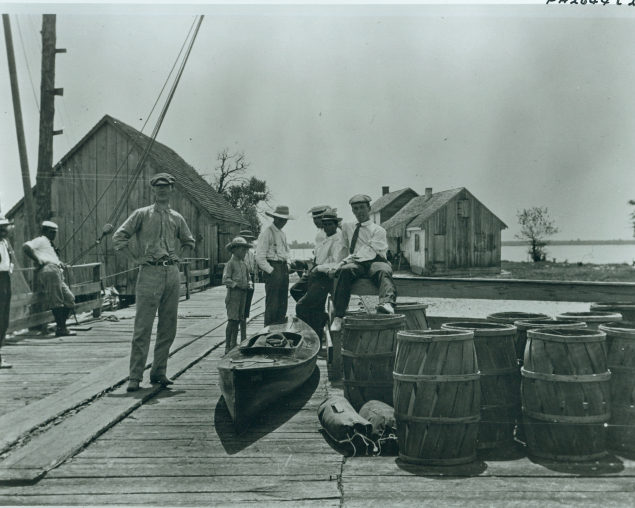
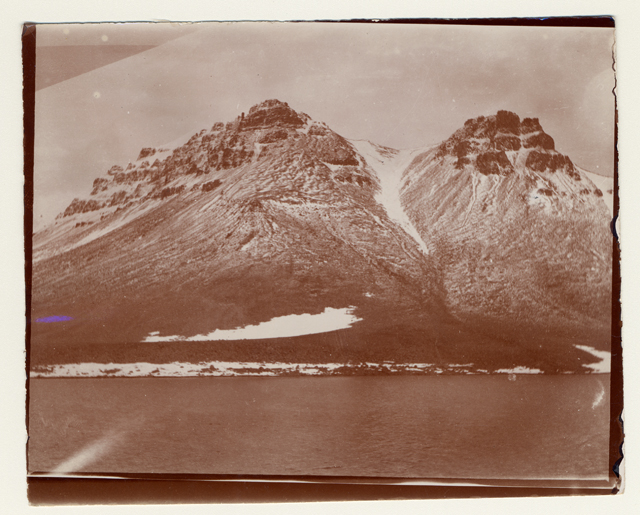 Full-size image
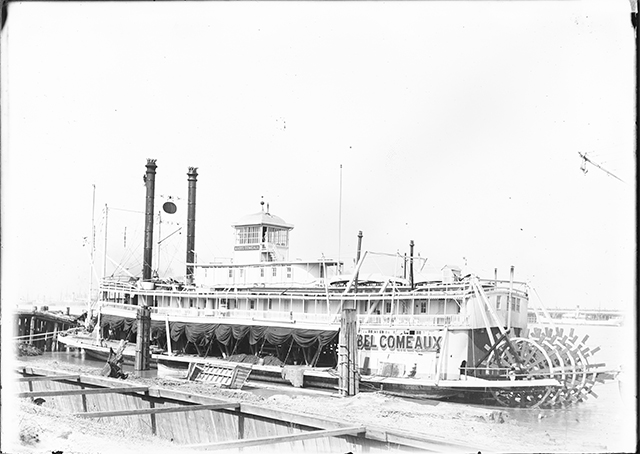 MS0095-797
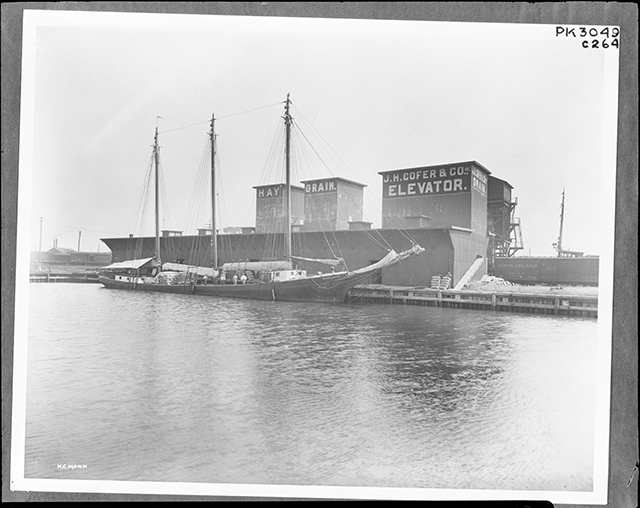 MS245-PK3049
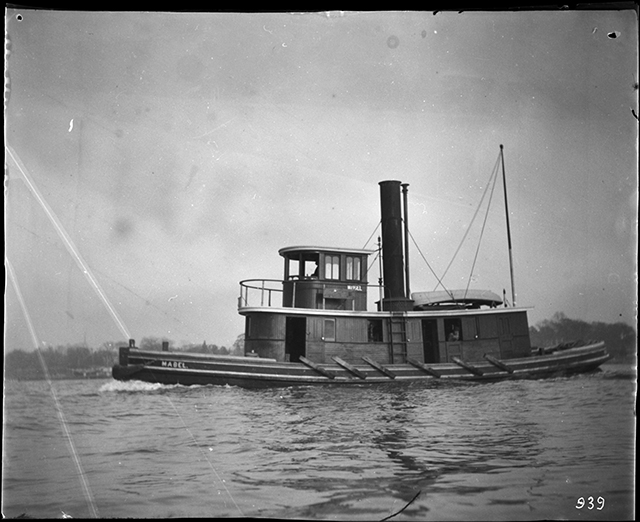 MS0094-939 Mabel
 MS0094-542 Mable
 MS0094-1046 Mabel
 MS0094-1368 Mable
 MS0094-372 William Orr
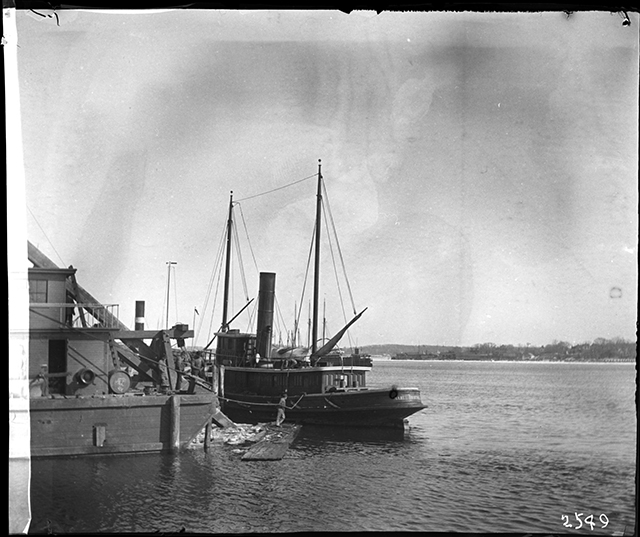 MS0094-2549 Mable
 P0001.001-01 - P835
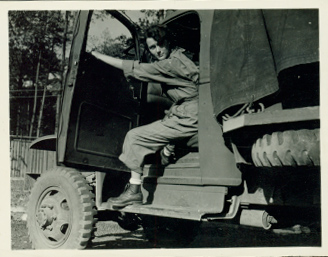 E4317
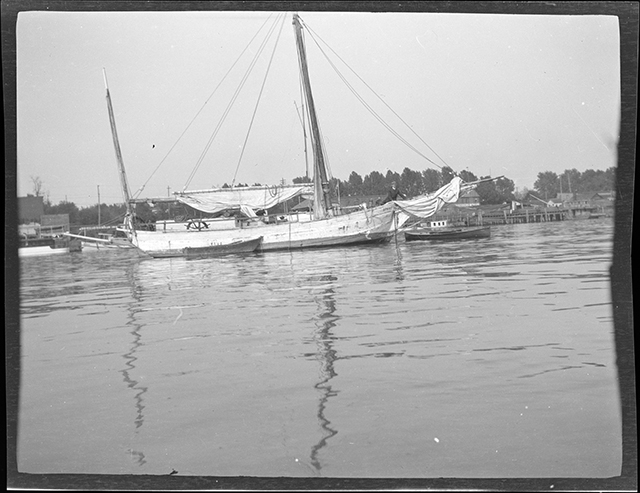 P0026-115
 P0003-01 - J-12976
 P0003-01 - L-14936
 P0003-01 - H-15116
 P0003-01 - K-13130
 P0003-01 - L-14611
 P0003-01 - L-15513
 P0003-01 - L-15514
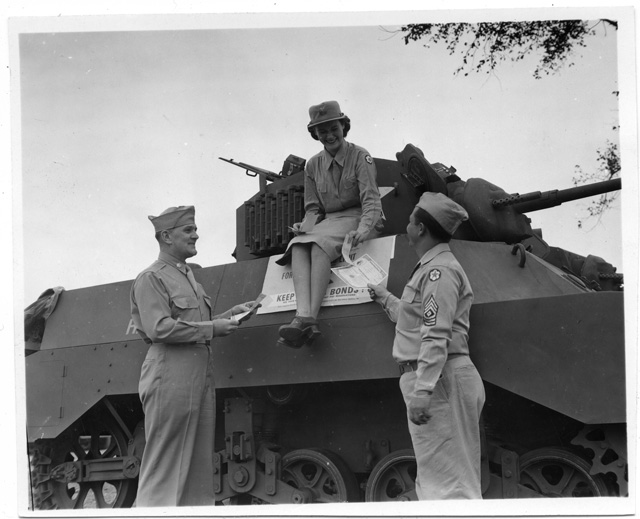 E4410HRPEBOND
 P0003-01 - J-9180
 Full-size image
 NA127b
 NA128b